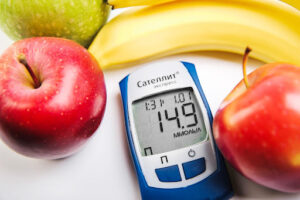
Type 2 Diabetes
Diabetes Mellitus, or simply diabetes, is often dubbed the “diabetes pandemic” or the “silent killer.” However, among the different types of diabetes mellitus, one type truly deserves that description; type 2 diabetes (T2D). Of all the global diabetes cases in the world, about 96% of them are type 2 diabetes. What’s worse, diabetes type 2 is also responsible for most diabetes-related disabilities and deaths. The World Health Organization (WHO) estimates the annual diabetes death rate to be about 1.5 million. So, what is type 2 diabetes, and what should you know about its causes, symptoms, treatment, and prevention? You’ll find the answers in the rest of the article. What is Type 2 Diabetes Type 2 diabetes is a high blood glucose problem triggered by the body’s inability to convert the sugar from consumed food into usable body energy. This happens because of low insulin production by the pancreas or your body’s inability to correctly use insulin to convert the sugar from food into body fuel. People with T2D are at a greater risk of other health complications, including heart disease and heart attacks, stroke, kidney disease, and kidney failure. Both T2D and related diseases are serious conditions. So, anyone would be interested to know what causes type 2 diabetes and how to stay away from the condition. Causes and Risk Factors for Type 2 Diabetes If you are healthy and free of diabetes, your pancreas produces the right amount of insulin, and your body cells use it correctly to convert food sugar into body energy. If you are diabetic, you have one or both of these insulin problems: · Your pancreas produces insufficient insulin. · Your body cells do not utilize insulin correctly. Consequently, the primary cause of type 2 diabetes is related to how your body produces or uses insulin to convert food sugar into energy. That said, not every person has the blood sugar issues that cause diabetes. That means people who get diabetes have some predisposing risk factors that make them more vulnerable to high blood sugar. Below are the risk factors for type 2 diabetes: Overweight and Obesity Overweight or obese persons have excess body weight than what is considered healthy for their height. However, while an obese person has an excessive accumulation of body fat, an overweight person does not. Nonetheless, both overweight and obesity are determined by your Body Mass Index (BMI). Below is a summary of the BMI values for an underweight, healthy, overweight, and obese person. Underweight BMI Normal BMI Overweight BMI Obese BMI <18.5 18.8-24.9 25.0-29.9 ≥30 Going by this, you will be at risk of type 2 diabetes if your BMI is around 25.0 or higher. That’s because the extra weight and body fat are highly likely to cause insulin resistance. Also, people whose extra body fat accumulates around the belly area are more likely to have insulin resistance. If you want to quickly compute your BMI values, here’s the formula: Your weight in Kg / the square of your height in meters. For example, if your weight is 60kg and your height is 1.64, your BMI will be: 60/2.69 =22.30 In this case, your BMI is within the healthy range. Physical Inactivity or a Sedentary Life Physical inactivity is linked closely to being overweight. Research estimates that a third of the world population above age 15 has a majorly sedentary life and does not engage in enough physical exercise. Unfortunately, that negatively affects health. Many of us engage in little to no exercise because of these factors: · Unavailability of space for exercising. · Work-related long sitting hours. · Long hours of engagement with the TV and other digital devices. Inadequate physical activity increases your risk for type 2 diabetes because it compromises your body’s ability to control blood sugar, weight, cholesterol, and blood pressure. Instead, working out helps all these functions. The CDC recommends at least 150 minutes of exercise every week. This will not only help reduce your risk for diabetes type 2 but also other lifestyle diseases like heart disease. Genes or a Family History for Diabetes Even under similar lifestyles and other diabetes-predisposing risks, some people are more susceptible to developing diabetes. Why is this? Medics and researchers agree that genes and a family history of diabetes type 2 can increase your risk for the disease. In other words: · You are at a greater risk for T2D if a member of your family has type 2 diabetes. · You have an additional point in risk for diabetes if you inherit particular genes associated with type 2 diabetes. Both facts lead to the conclusion that people from different families could be exposed to similar non-genetic risk factors for diabetes. However, they may not have the same level of risk for developing T2D, thanks to their different genes. High Fat and Carbohydrate Diet Food is another factor linked closely to overweight and fat accumulation and, consequently, to type 2 diabetes. Together with a lack of exercise, a poor diet is considered a core factor in the rise of type 2 diabetes cases. Specifically, people who consume a high fat and carbohydrate diet increase the risk for high blood sugar levels and the buildup of body fat. Both factors are risks for insulin resistance. Research recommends that people should choose a high-protein diet over high carbohydrate and fat diet. In fact, it is widely agreed that a high-protein diet favors the treatment and management of T2D and is more cost-effective. You will find a more detailed approach to diet and T2D in our successive articles. Alcohol Abuse Alcohol has a controversial relationship with diabetes. On the one end, a bit of alcohol is said to be potentially good for controlling blood sugar and managing insulin usage. On the other end, however, too much alcohol has several risks for diabetics and people trying to stay healthy from the condition. Precisely: · Excessive alcohol consumption can disrupt your blood sugar levels.